
The Ultimate Connecticut Bathroom Remodel Cost Guide: Your 2026 Budget Blueprint
Introduction: Planning Your Perfect Connecticut Bathroom Remodel
For many Connecticut homeowners, the dream of a bathroom remodel—transforming a dated, functional space into a serene, spa-like retreat—is often accompanied by a significant question: What will it actually cost? In a state known for its high quality of life and correspondingly high cost of living, the numbers seen on home improvement shows or in national magazines can be profoundly misleading. The reality of budgeting for a renovation in towns from Fairfield to Hartford requires a localized, data-driven approach.
This guide serves as that definitive resource. It acknowledges the unique financial landscape of remodeling in Connecticut and presents a solution: a transparent, meticulously researched cost projection specifically for projects planned for the end of 2026. The figures and analyses presented here are not generic estimates. They are the result of a deep dive into current local market data, regional economic forecasts, and a thorough analysis of material and labor trends impacting the Northeast. This guide is designed to empower homeowners with the knowledge to build a realistic budget, make informed decisions, and understand the true value of investing in a professionally executed bathroom remodel.
As local experts in the Connecticut market, the team at First Choice Bathroom Remodeling understands the nuances of these projects. This guide is a reflection of that expertise, created to demystify the process and provide the clarity needed to move from dream to reality. Renovating a bathroom is more than just a cosmetic upgrade; it is a smart investment that can significantly elevate the value and utility of a home. This handbook will lead homeowners through every essential cost consideration, offering an in-depth analysis of financial outlays and equipping them with the strategies needed to plan a successful and satisfying bathroom remodel.
Section 1: The Bottom Line: Projected 2026 Bathroom Remodel Costs in Connecticut
To plan effectively, it is crucial to start with a realistic understanding of the total investment. This section provides clear, projected cost ranges for the end of 2026, setting accurate expectations from the outset and explaining the factors that make Connecticut a unique market.
The Connecticut Premium: Why Local Costs Differ
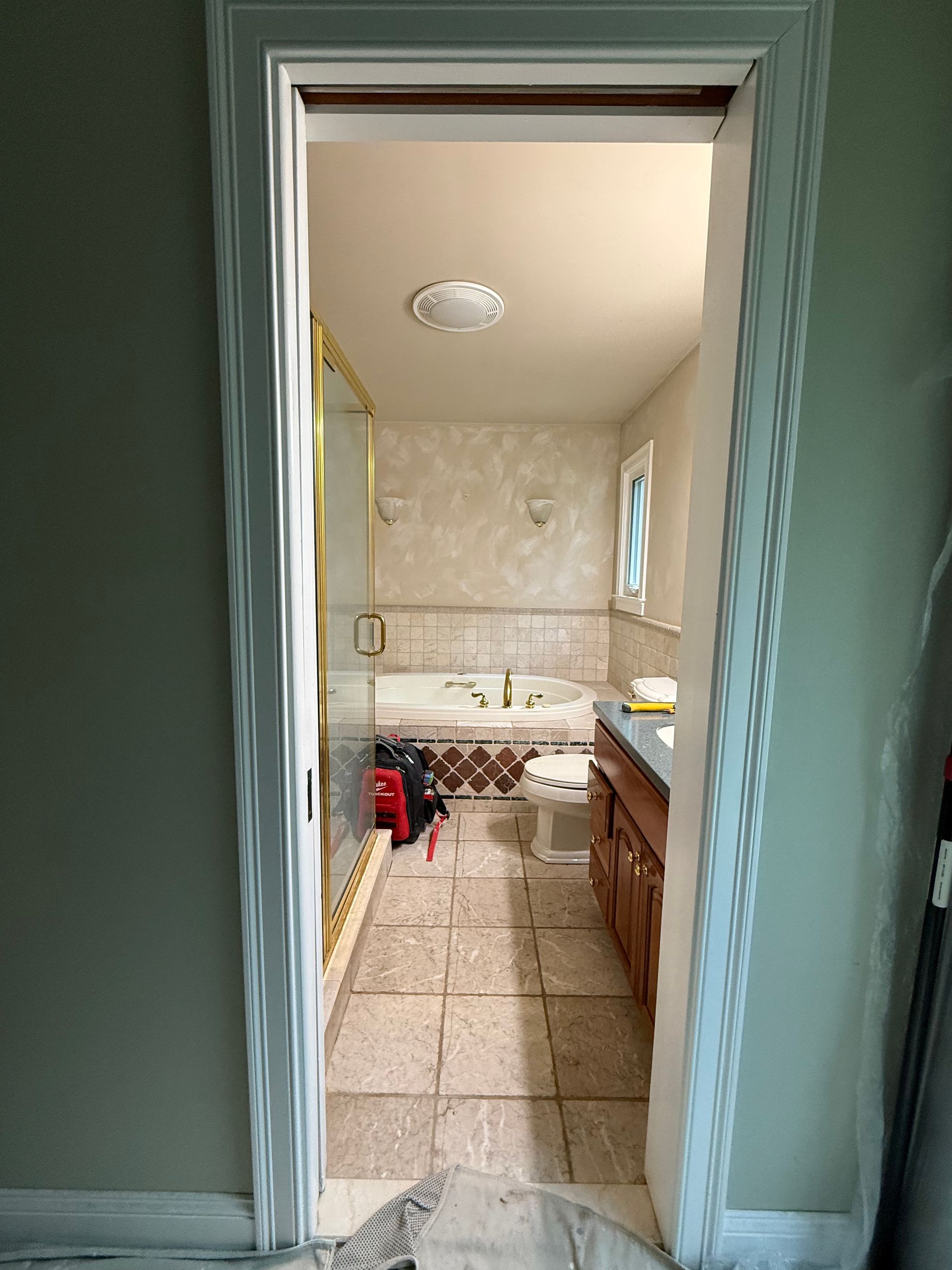
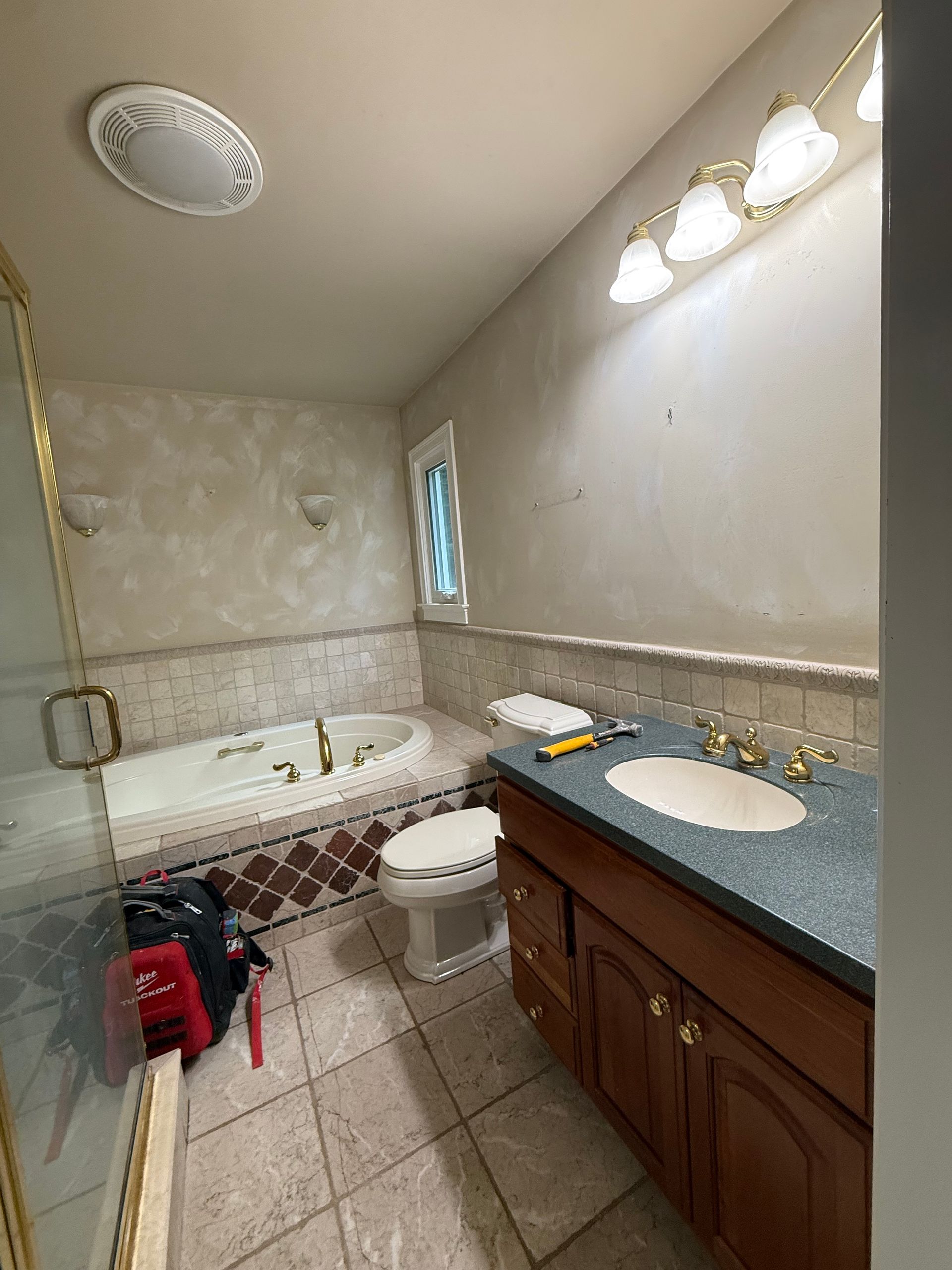
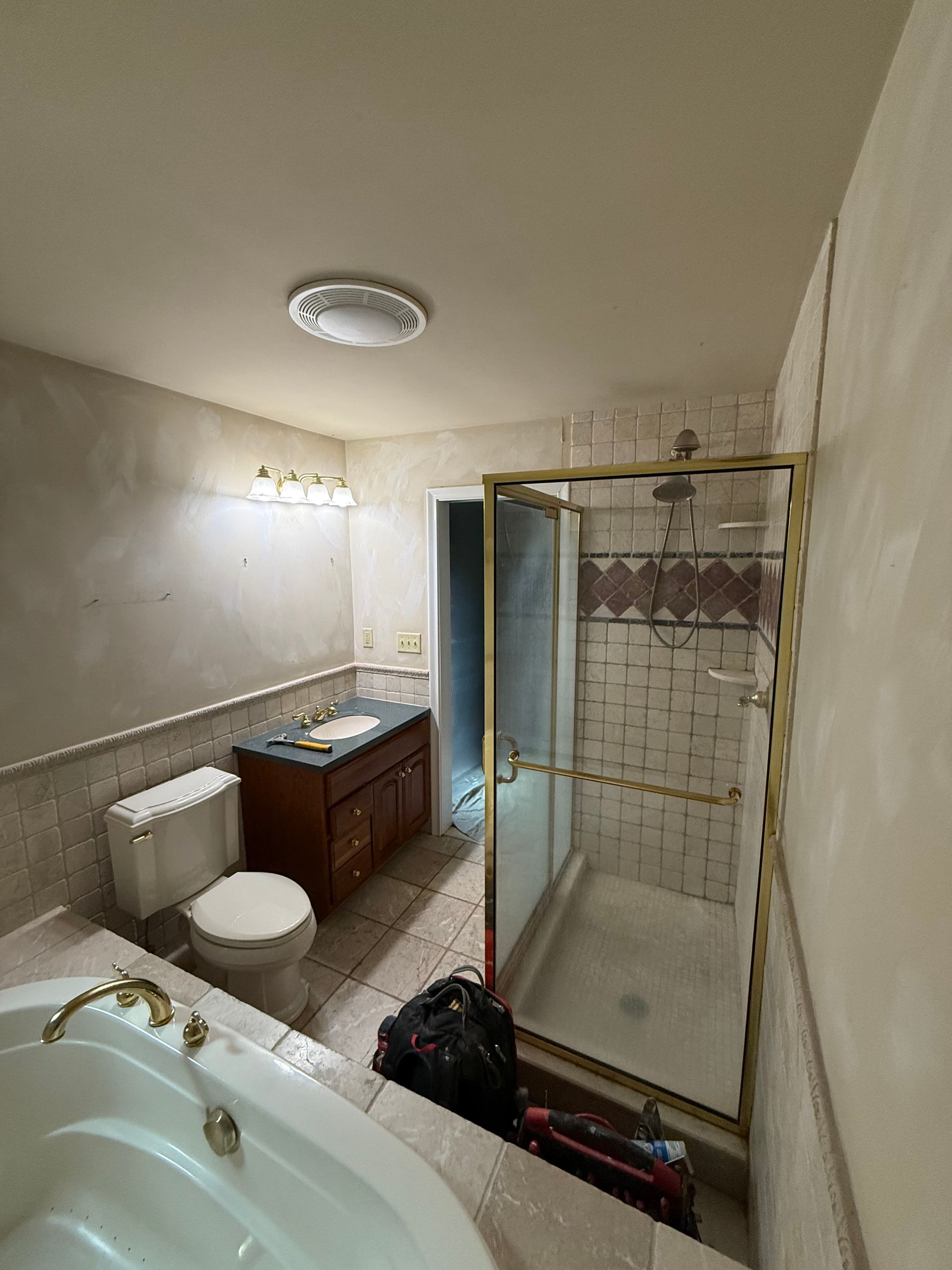
The first step in budgeting for a Connecticut bathroom remodel is to set aside national averages. While the national average cost for a mid-range bathroom remodel hovers around $12,600 (up slightly from last year), data specific to Connecticut reveals a significantly higher price point. A complete bathroom remodel in the state typically averages between $15,600 and $31,500. This "Connecticut Premium" is not arbitrary; it is driven by tangible economic factors, most notably the state's higher-than-average labor rates and overall cost of living. Skilled, licensed tradespeople—plumbers, electricians, and tile setters—command higher wages, which directly impacts the bottom line of any significant renovation project. In 2026, with ongoing supply chain stabilization but persistent labor shortages, these premiums are expected to hold steady or increase modestly.
Projecting to Late 2026: Our Methodology
The cost figures in this guide are not static; they are forward-looking projections for the end of 2026. This forecast is based on a careful analysis of key economic indicators. The Consumer Price Index (CPI) for the Northeast region, a measure of inflation, showed a 3.5% annual increase as of mid-2026. Critically, the housing component of that index, which includes services related to homeownership, rose at an even faster rate of 5.2%.
Furthermore, construction-specific data reveals its own inflationary pressures. The Turner Construction Cost Index has shown consistent quarterly increases throughout 2025 and into 2026, indicating that the fundamental cost of building is rising. This is compounded by ongoing volatility in the construction market. More than 85% of contractors nationally have recently received notices of price increases from suppliers, and a persistent labor shortage, with over 350,000 unfilled construction positions, continues to drive up labor costs. By synthesizing these local inflation metrics with national construction industry trends, this guide provides a realistic financial snapshot for a project commencing in late 2026.
Defining the Tiers: From Facelift to Full Gut Renovation
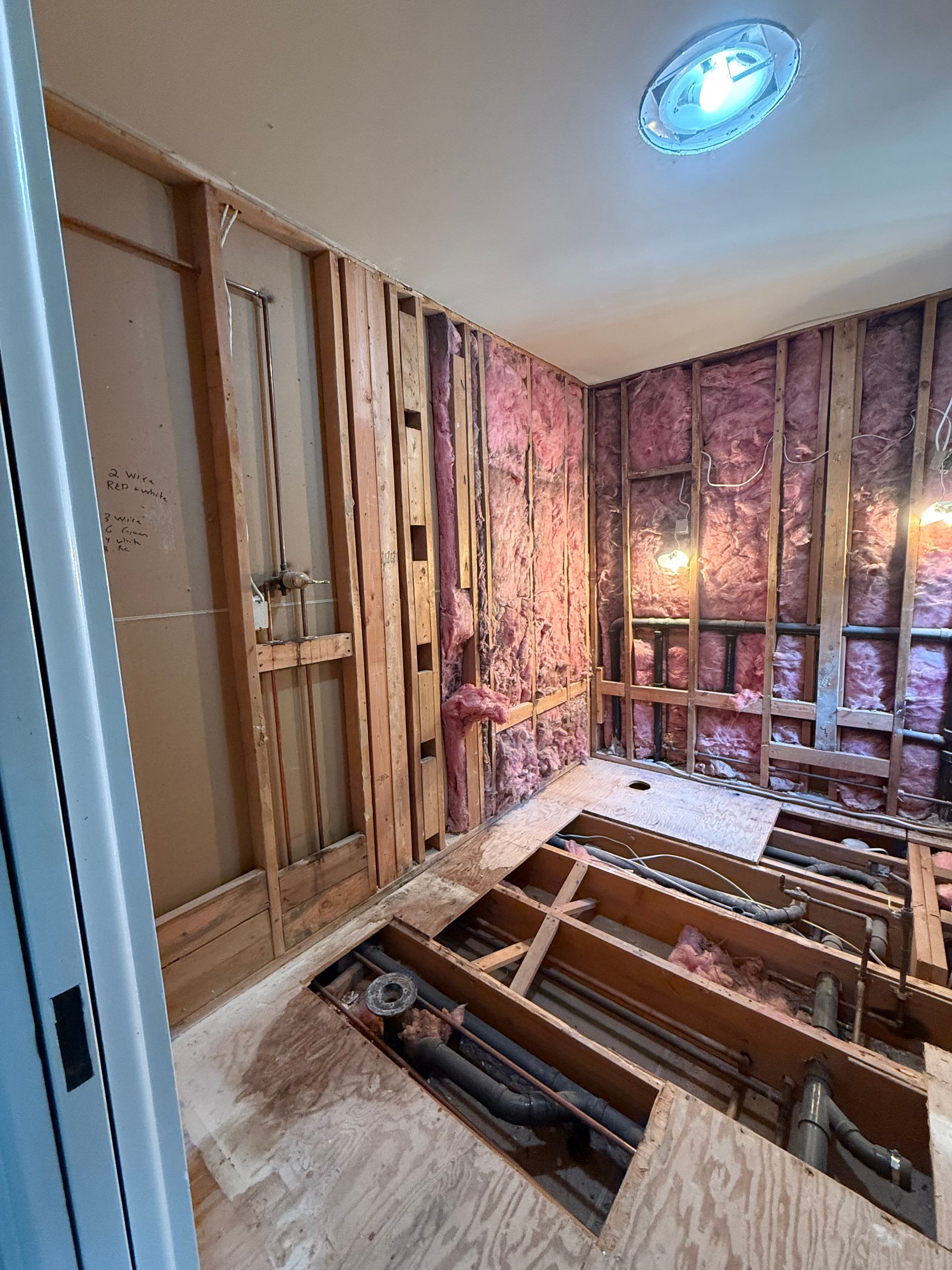
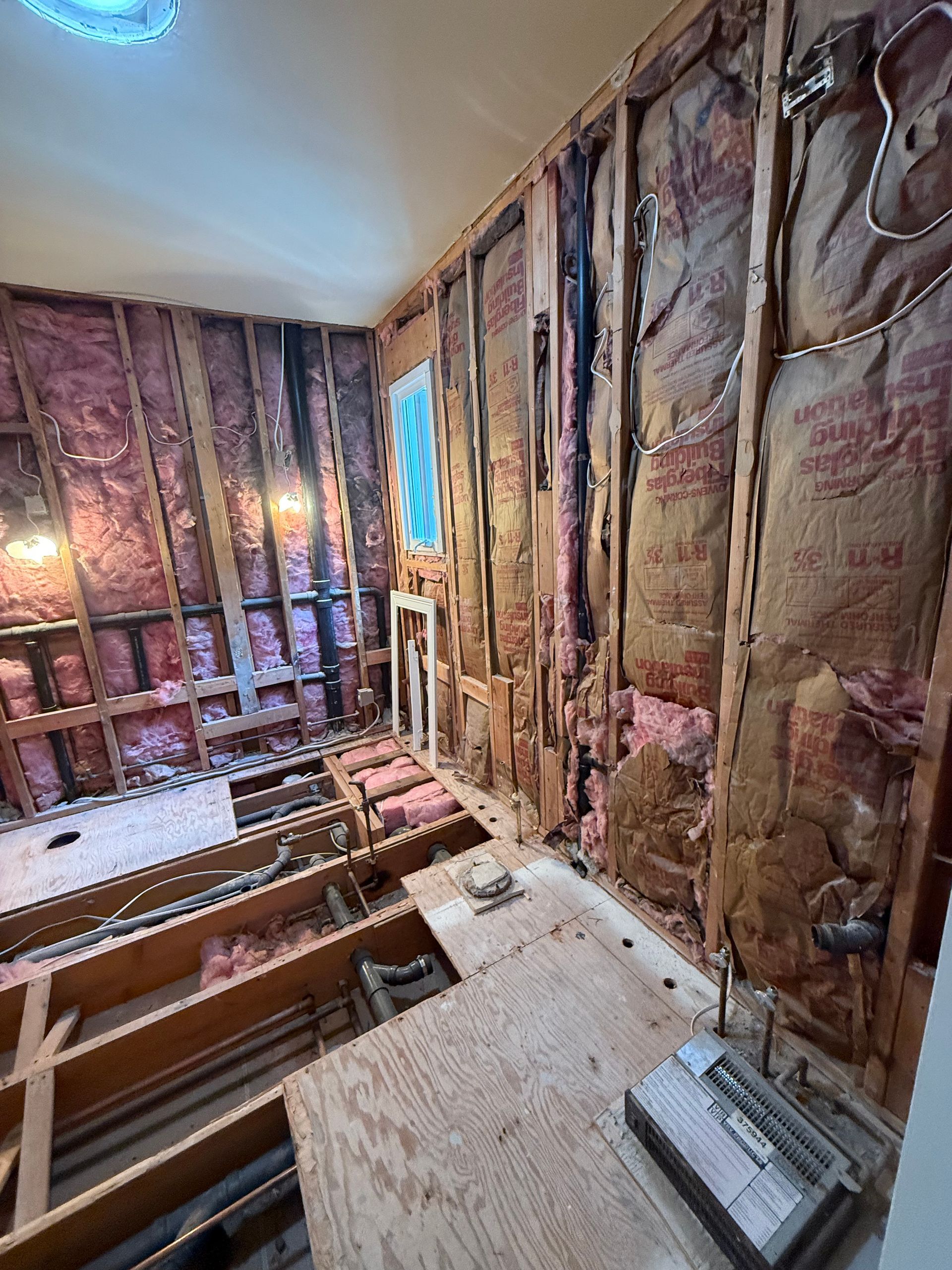
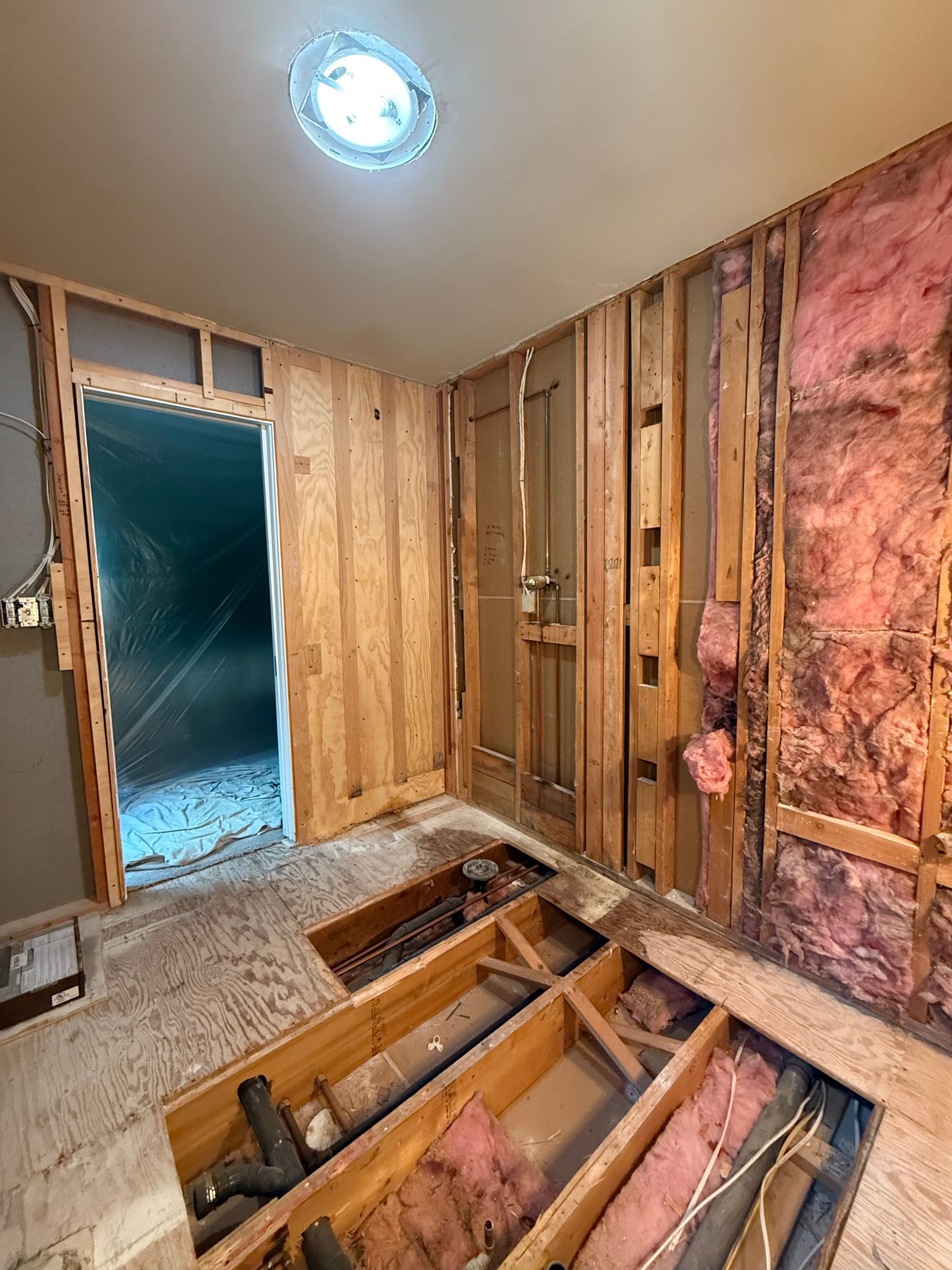
To help homeowners identify where their vision fits, projects are categorized into three distinct tiers. These tiers are defined by the scope of work, which is the single most significant factor in determining the final cost.
- The Budget-Friendly Facelift (Projected End-2026: $18,700 - $29,100): This level of renovation focuses on cosmetic and surface-level improvements without altering the existing bathroom layout. It typically involves replacing the vanity, toilet, and light fixtures; painting the walls; and potentially installing new, budget-friendly flooring like luxury vinyl plank (LVP). Key cost-saving measures include using stock materials from big-box retailers and refinishing existing elements like a cast-iron tub where possible. The plumbing and electrical footprints remain unchanged. This scope aligns with "minor" or "budget" remodels, adjusted for Connecticut's higher baseline costs and projected inflation. In 2026, sustainable options like low-VOC paints and recycled-content LVP are becoming more common, adding slight premiums but offering long-term value.
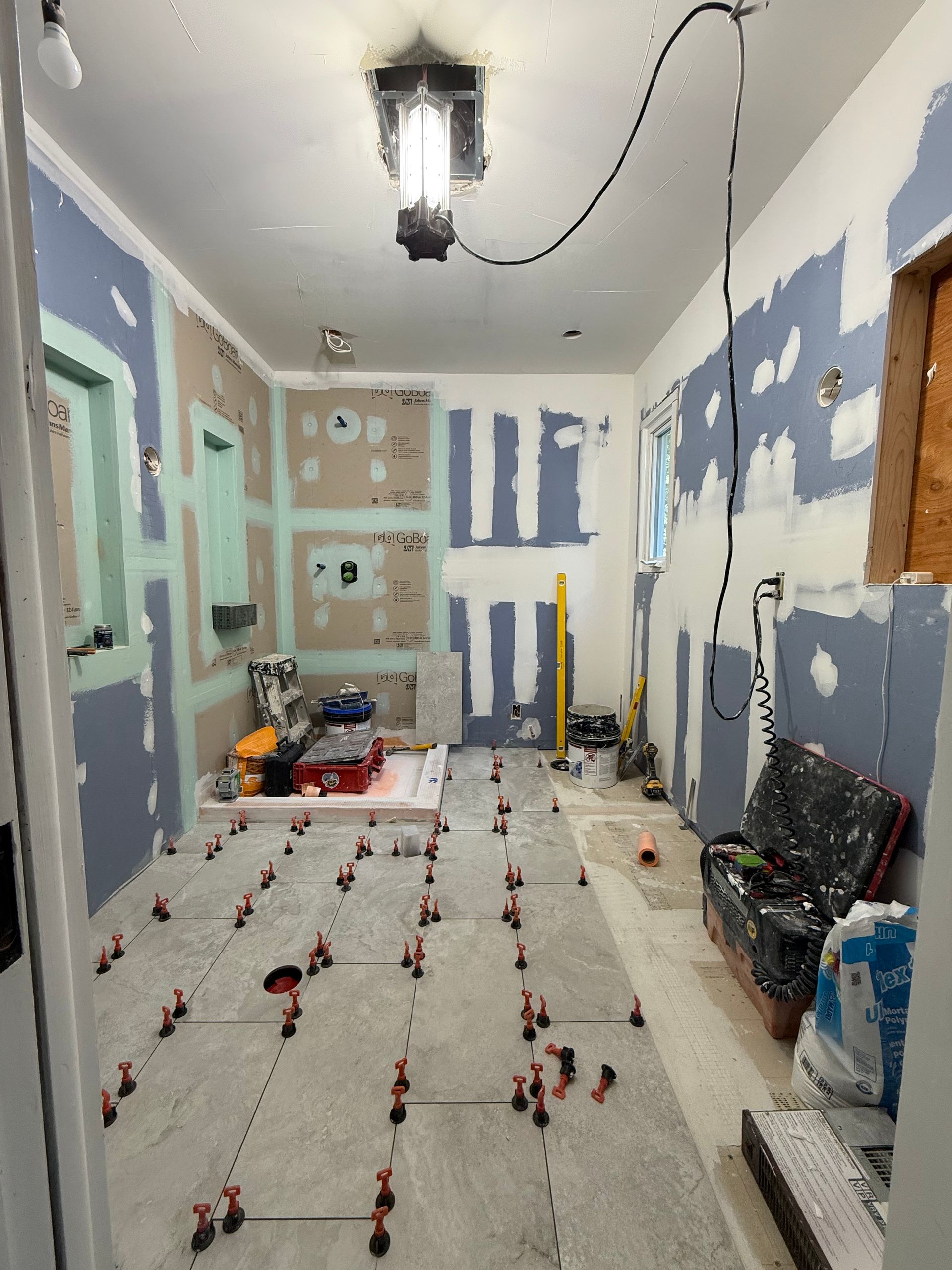
- The Mid-Range Renovation (Projected End-2026: $29,100 - $57,200): This is the most common type of full bathroom remodel. It involves a complete gut of the space down to the studs. Everything is new: a new tub or shower system, toilet, vanity with a quality countertop (like quartz), tile flooring, lighting, and ventilation. This tier uses a mix of good-quality stock and semi-custom materials. While the general layout is maintained to control plumbing costs, minor adjustments may be made. This cost range is derived from Connecticut-specific data for a "complete renovation" and mid-grade projects in high-cost areas like Fairfield County, projected forward to account for market trends. With rising energy costs, features like energy-efficient LED lighting and low-flow fixtures are standard, helping offset some inflation.
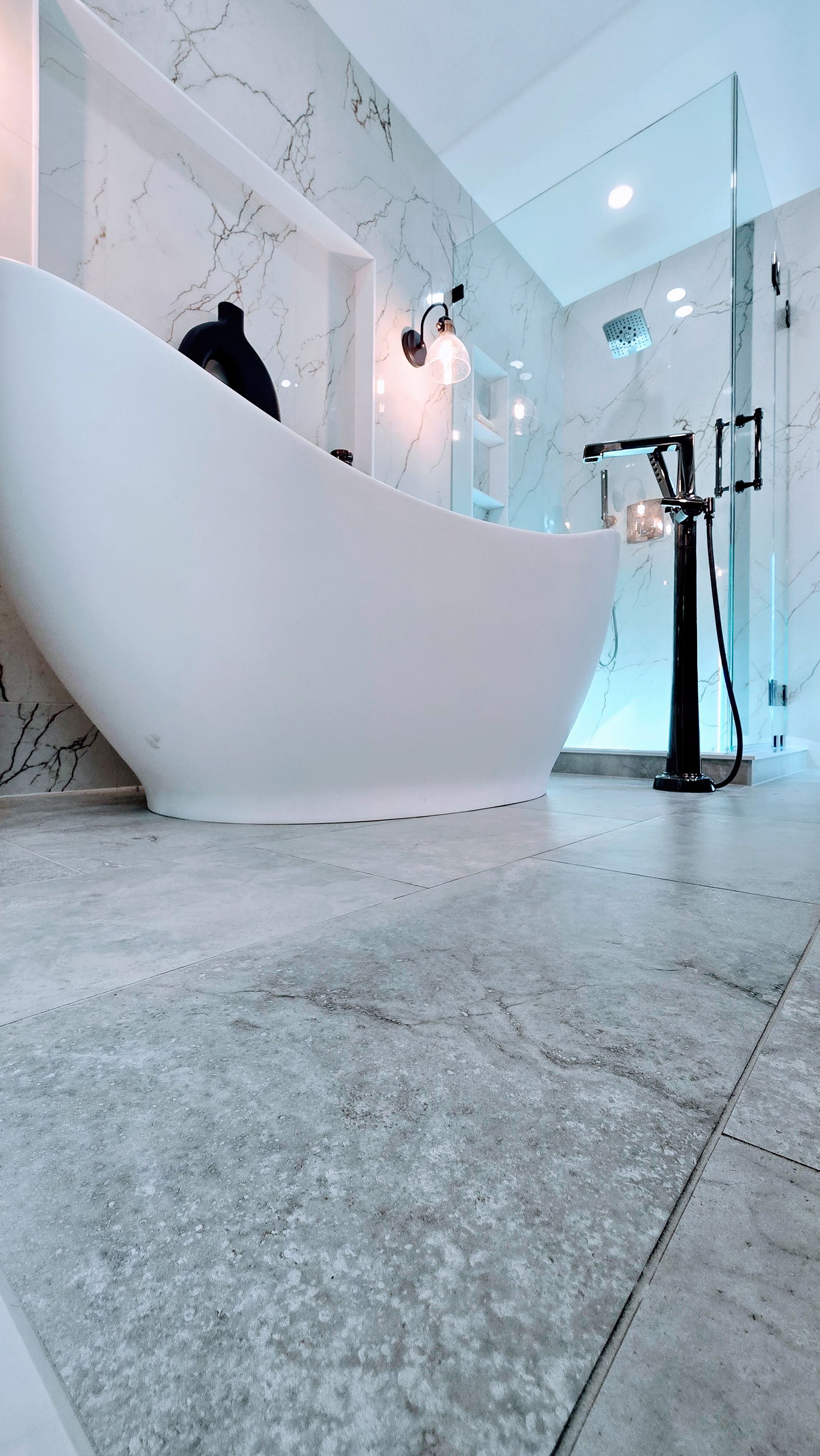
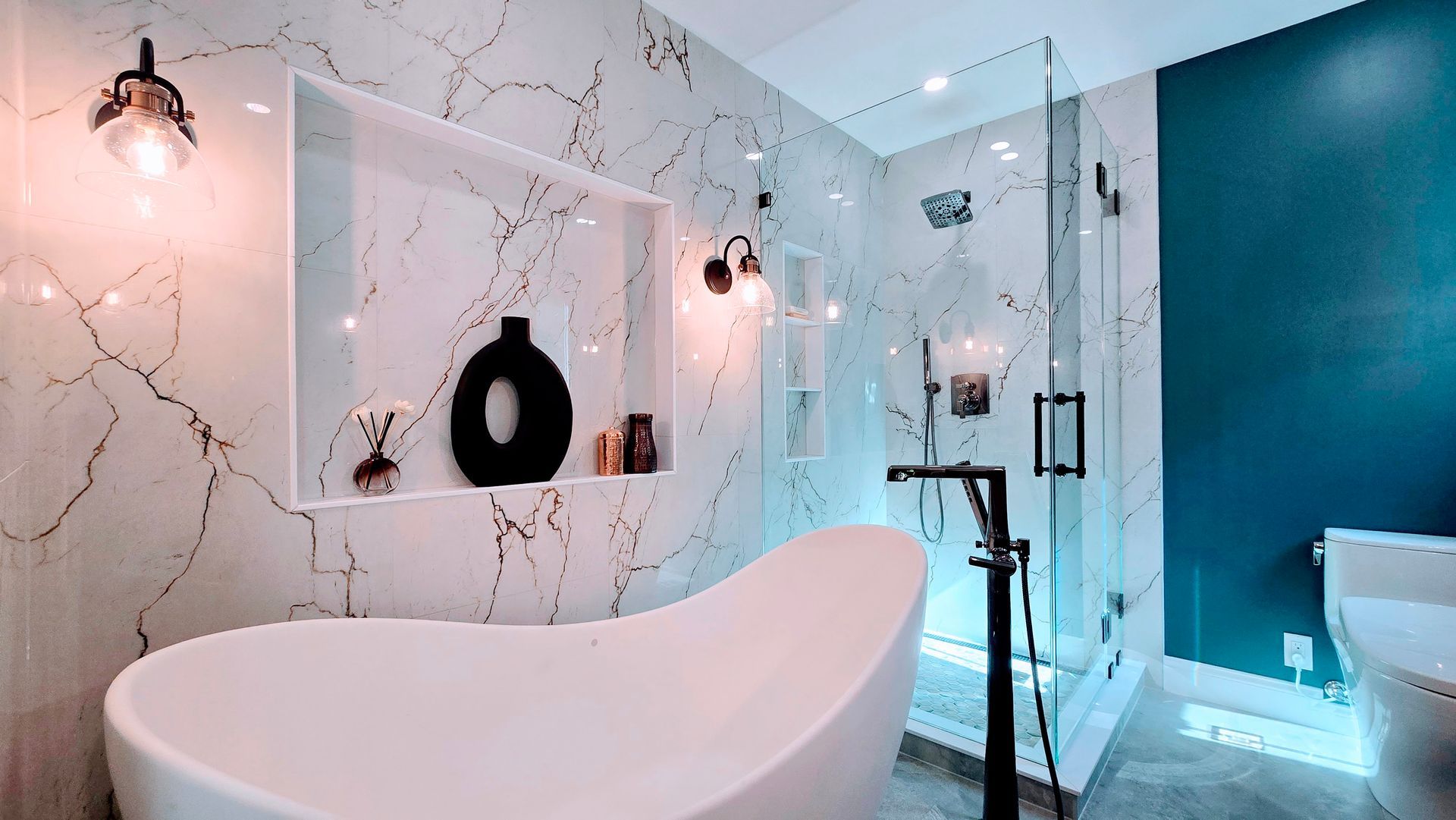
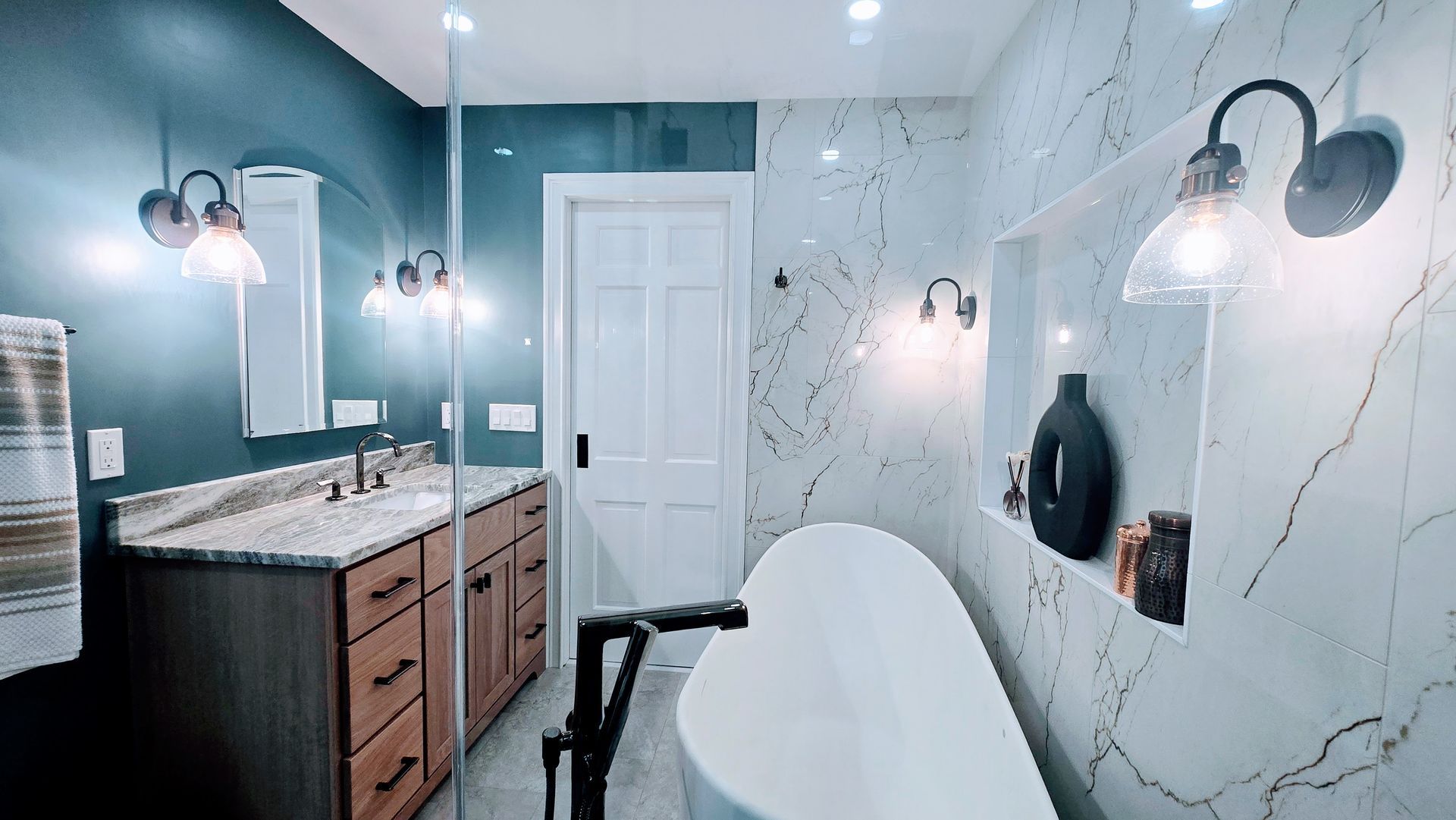
- The High-End Luxury Retreat (Projected End-2026: $57,200+): This tier represents a comprehensive transformation. It often involves expanding the bathroom's square footage by moving walls, which requires significant structural, plumbing, and electrical reconfiguration. Materials are premium and often custom, such as natural stone tiles, custom-built cabinetry, and high-end fixtures from designer brands. Luxury features like a steam shower, heated flooring, a freestanding soaking tub, and smart home technology are common. For these extensive projects, costs can easily surpass $84,000. In 2026, trends like integrated wellness tech (e.g., chromotherapy lighting in showers) are pushing high-end budgets higher, but also increasing home resale value in competitive CT markets.
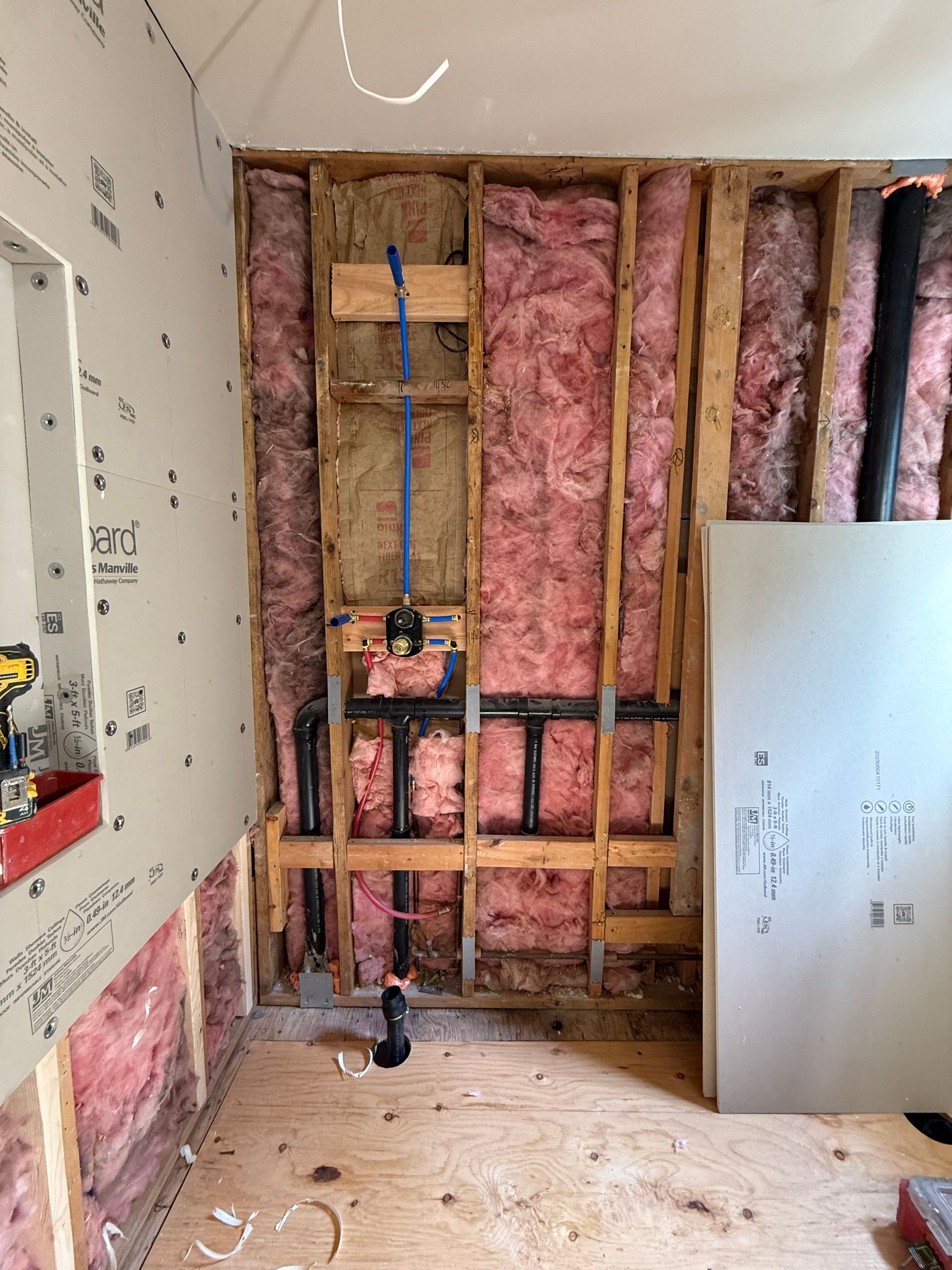
It is important to recognize that the financial leap from a "Budget-Friendly Facelift" to a "Mid-Range Renovation" in Connecticut is more of a chasm than a step. While national guides might suggest a smoother cost progression, the reality in this market is different. The primary reason for this significant jump is the shift in labor complexity. A cosmetic facelift can often be completed by a general contractor or skilled handyperson. However, a full gut renovation legally and practically requires a coordinated team of licensed and insured specialists: a plumber to install the new shower valve and set the toilet, an electrician to wire the new fan and lighting to code, and an expert tile setter for the floor and shower walls. In Connecticut, where the hourly rates for these tradespeople range from $52 to $160 or more in 2026, the cost of this essential, specialized labor becomes a dominant budget item. This "labor cliff" is a critical feature of the local market that homeowners must anticipate to avoid significant budget shock.
Section 2: Anatomy of a Remodel Budget: A Detailed 2026 Connecticut Cost Breakdown
Understanding the total projected cost is the first step. The second is dissecting that total to see where every dollar goes. A typical mid-range bathroom remodel budget in Connecticut is heavily weighted toward labor, a key differentiator from national averages. While materials and fixtures are significant, the cost of skilled craftsmanship is the largest single component. A representative budget allocation might look like this: Labor (50%), Cabinetry & Countertops (15%), Fixtures (15%), Tile & Flooring (10%), and Other (including Demolition, Permits, and Design) (10%).
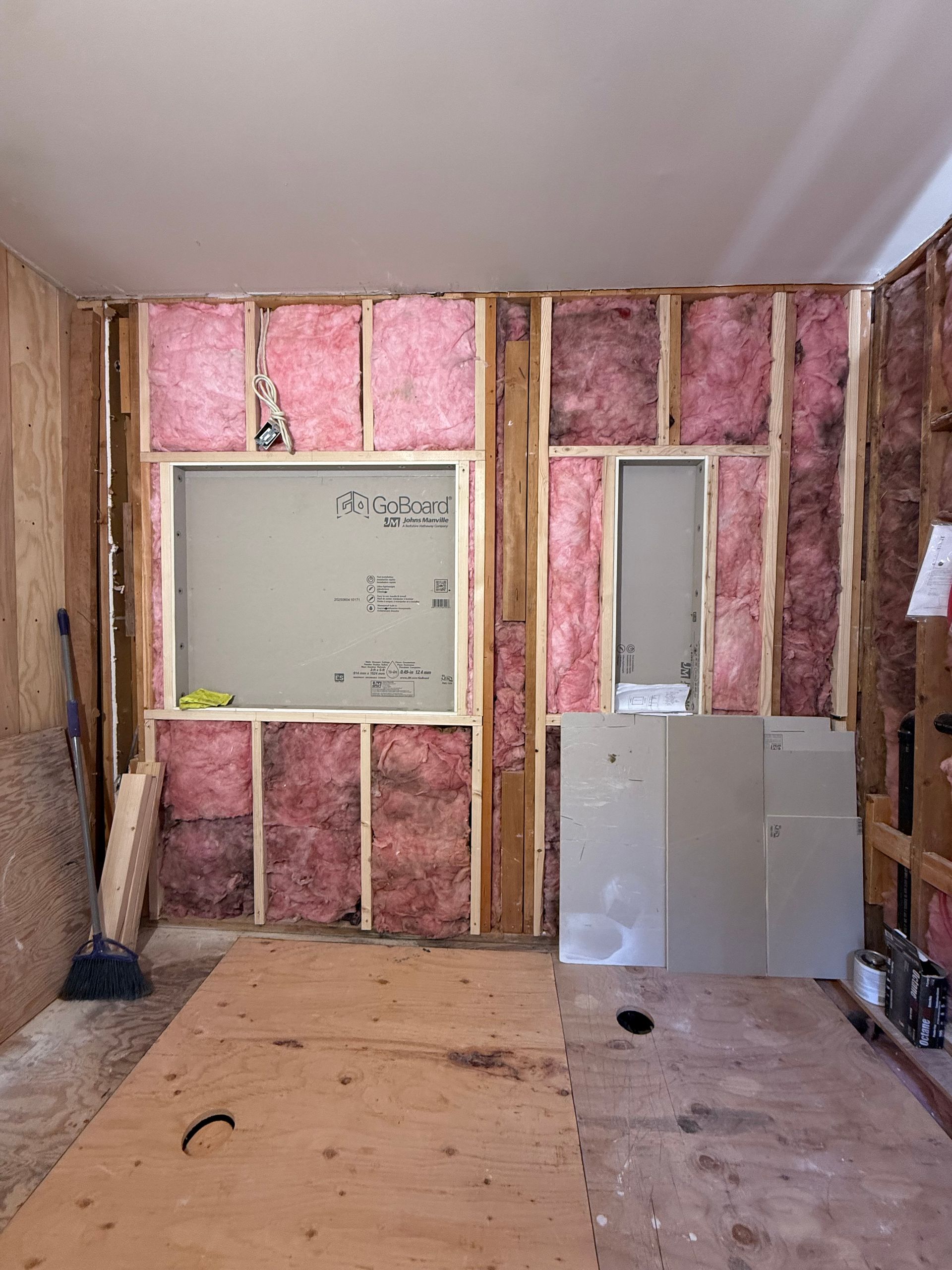
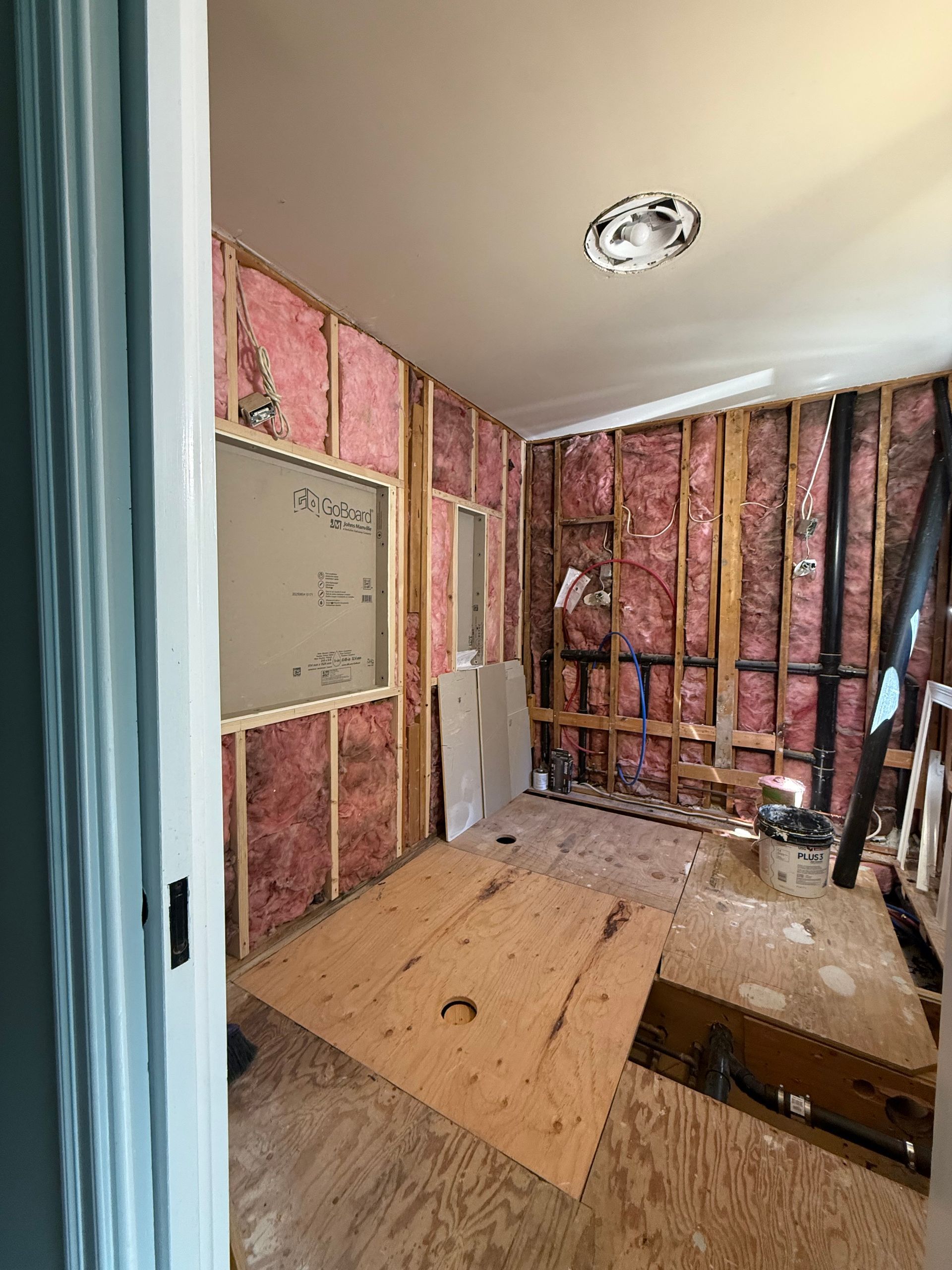
Detailed Line-Item Analysis (with Projected 2026 Costs)
Below is a granular look at the individual components that constitute a bathroom remodel budget in Connecticut, with cost ranges projected for the end of 2026.
Labor: The Single Biggest Expense (45-60% of Total Budget)
In Connecticut, labor is the dominant cost factor in any remodel. The project's complexity dictates the team of professionals required, and their expertise comes at a premium.
- General Contractor: The GC manages the entire project, scheduling trades, ordering materials, and ensuring quality control. Their fee is typically 10% to 20% of the total project cost, often $3,000–$11,000 for mid-range jobs.
- Plumber: Essential for installing new tubs, showers, toilets, and sinks, and especially for any layout changes. Hourly rates in Connecticut range from $47 to $210 in 2026.
- Electrician: Required for installing new lighting, fans, outlets, and smart features to meet safety codes. Hourly rates are comparable to plumbers, from $52 to $210.
- Tile Setter & Other Trades: Carpenters, drywallers, and painters round out the team. These rates reflect the current market and are expected to face continued upward pressure due to a tight local and national labor market, making professional labor the most significant and variable part of the budget. In 2026, with more emphasis on certified green building pros, specialized labor could add 5–10% premiums.
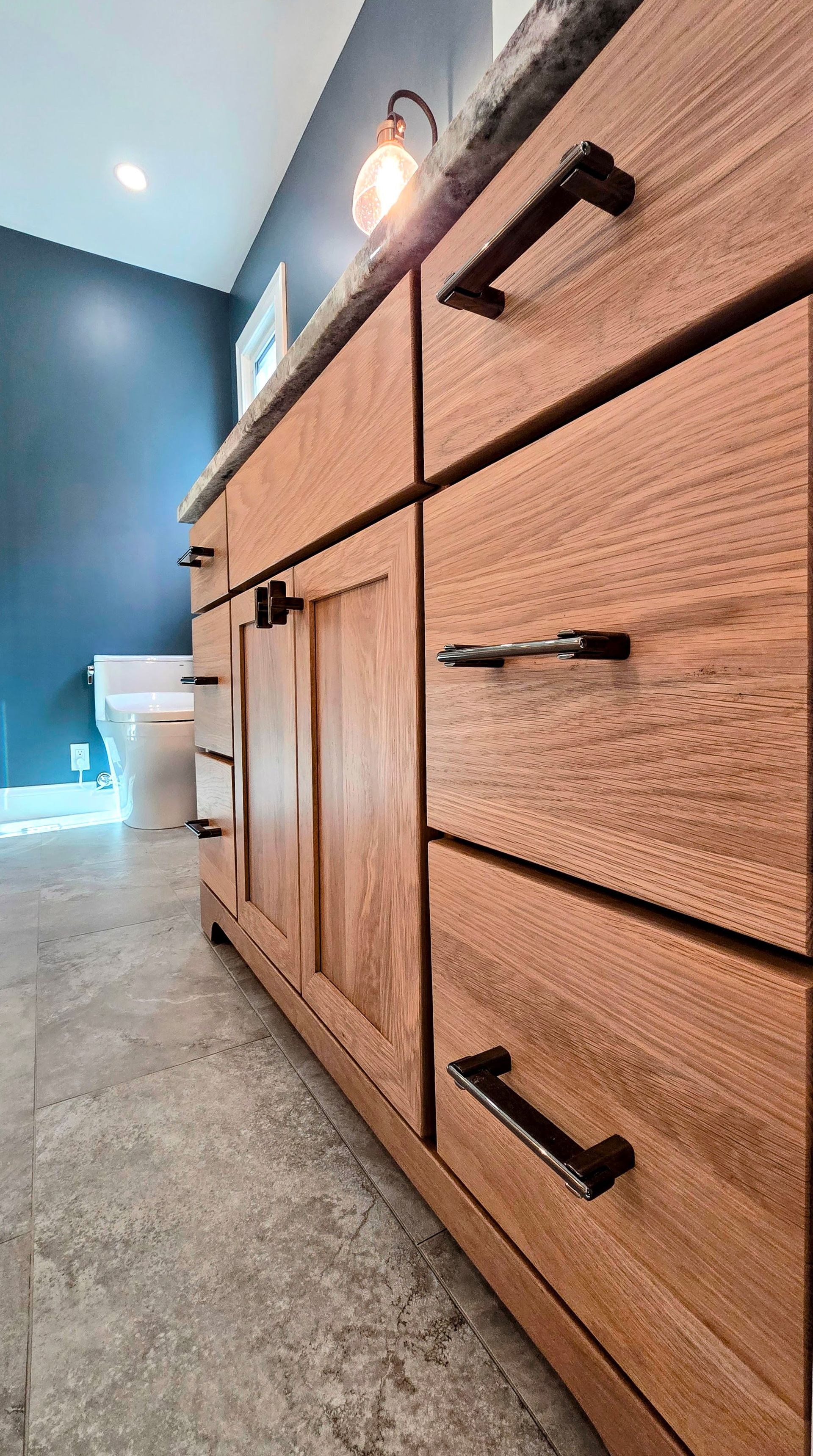
Cabinetry & Vanities ($2,600 - $15,800+)
The vanity is often the focal point of the bathroom and its cost varies widely based on size, material, and construction.
- Stock/Prefabricated: Available from home improvement stores, these offer the most budget-friendly solution, typically ranging from $630 to $2,100.
- Semi-Custom: Offering more flexibility in size, finish, and style, these fall in the middle of the price range, $2,100–$5,300.
- Custom: Built-to-order by a cabinet maker to fit the exact space and design specifications, custom vanities can cost from $4,200 to over $10,500, particularly for larger, high-end primary bathrooms. In 2026, sustainable wood options (e.g., FSC-certified) are trending, adding ~10% but appealing to eco-conscious CT buyers.
Fixtures & Fittings ($2,100 - $21,000+)
This broad category includes the essential functional elements of the bathroom. While national cost data provides a baseline, a "CT Premium" for installation should be factored in.
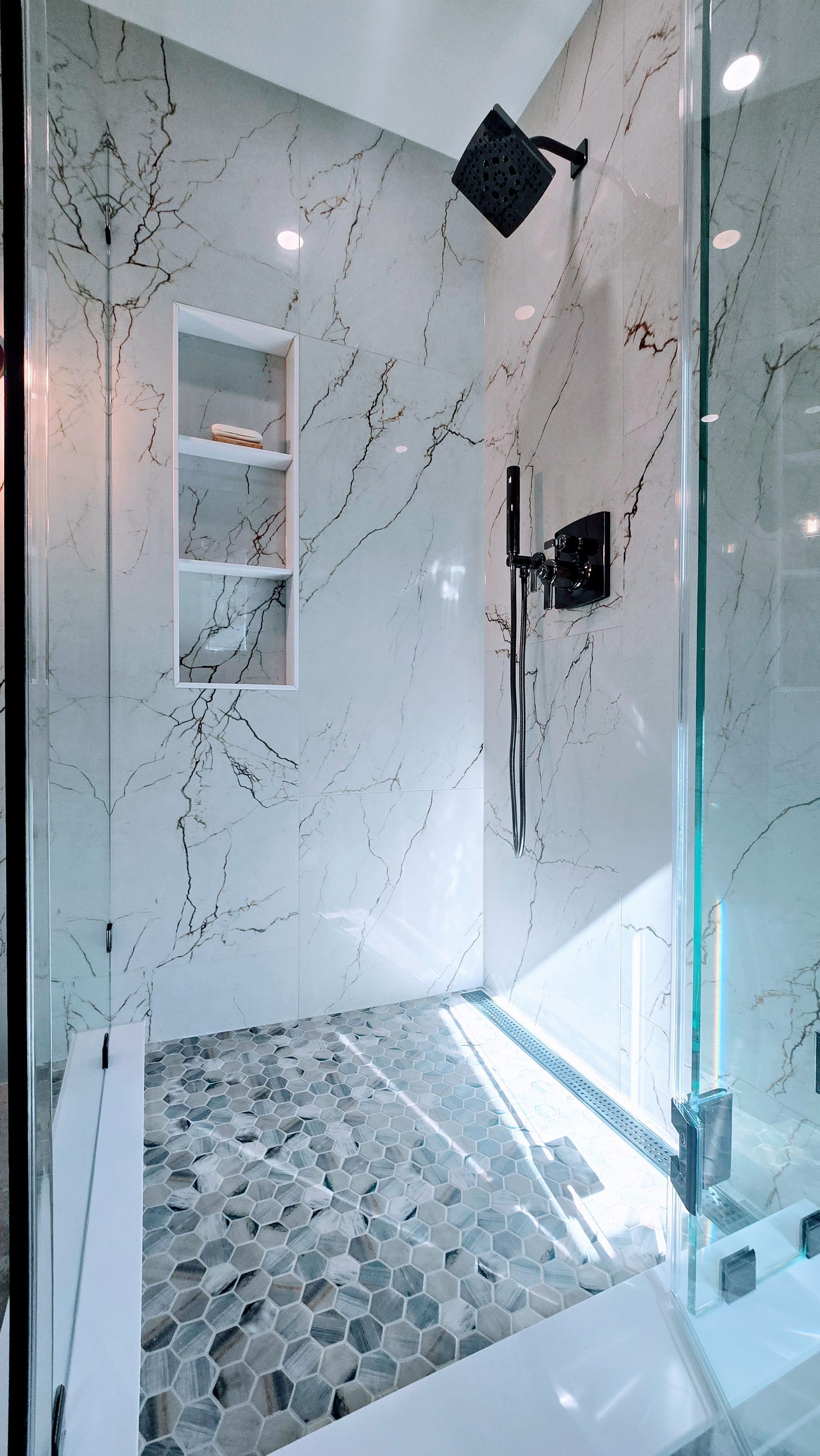
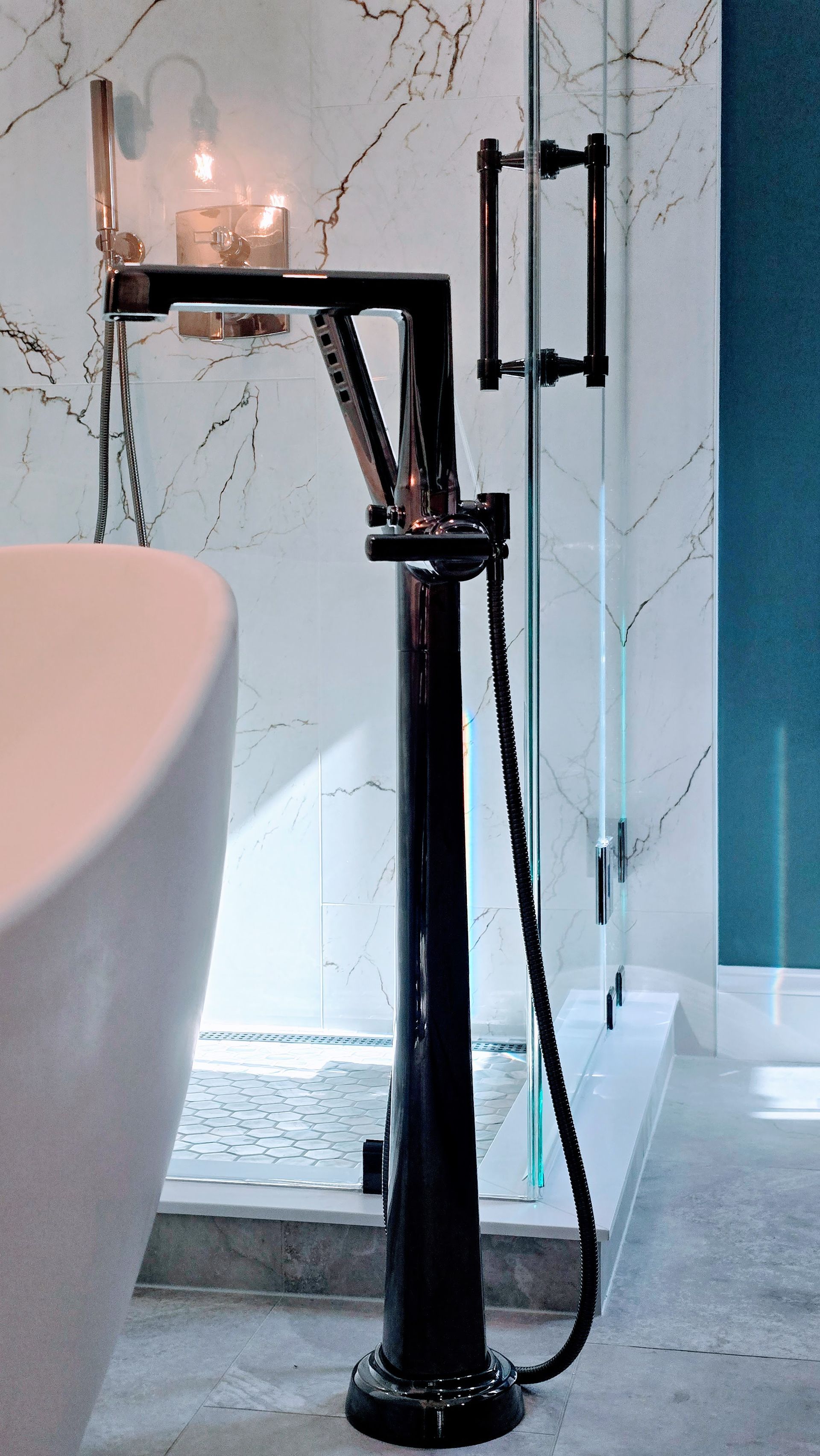
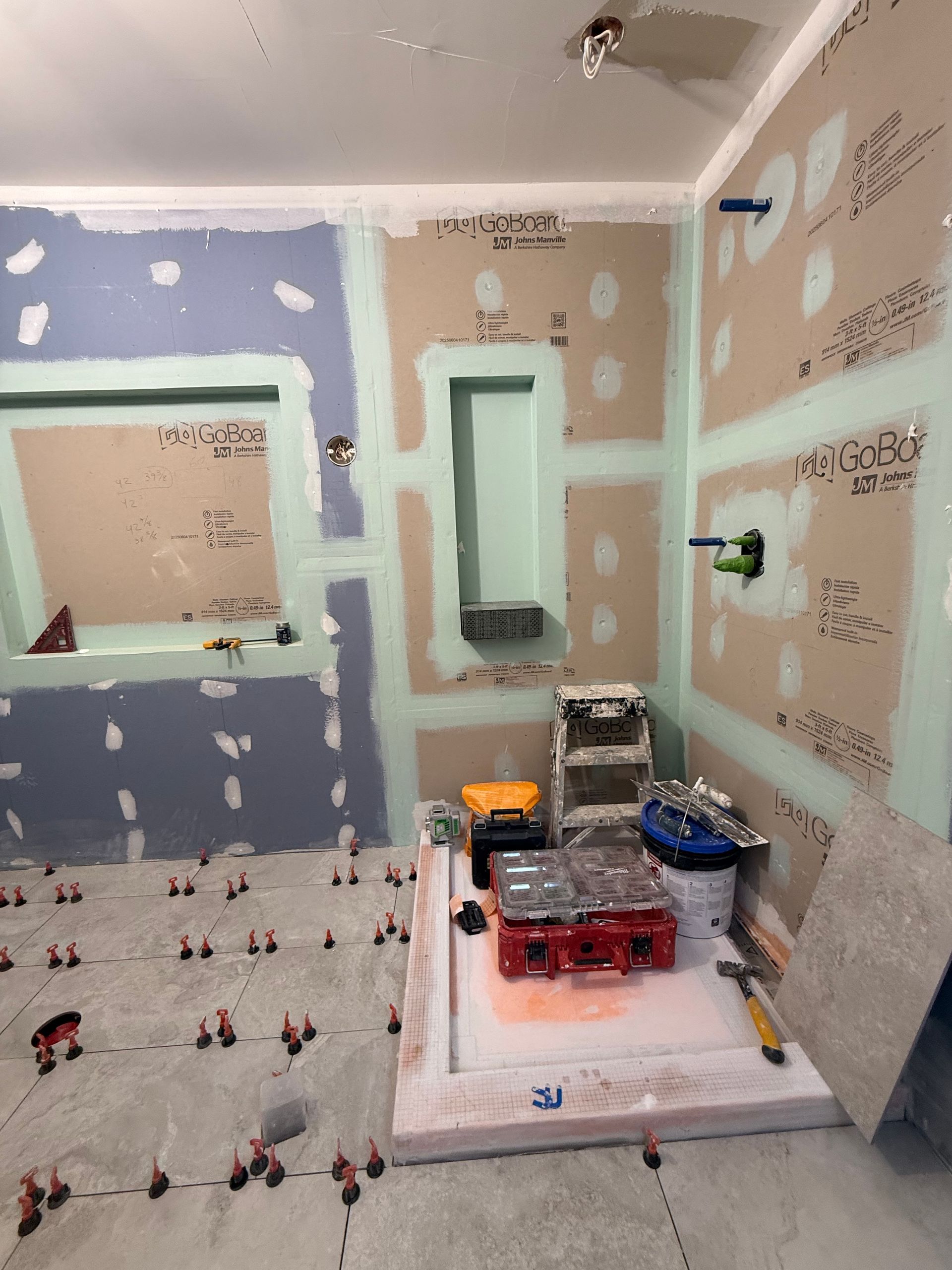
- Tubs & Showers: A standard acrylic tub-and-shower combination can be installed for around $1,600–$3,700. A custom walk-in shower with tile walls and a frameless glass door typically costs between $4,400 and $8,900, but can go much higher. Luxury items like a freestanding soaking tub can range from $2,100 to over $9,700 for the unit and installation. For jetted Jacuzzi tubs, expect $4,000–$12,000 with hydrotherapy features.
- Toilets: A new, efficient toilet can be installed for an average of $390. High-end smart toilets with features like heated seats and bidet functions can range from $2,100 to as much as $13,700.
- Sinks & Faucets: Simple drop-in sinks are the most affordable, from $63 to $525, while undermount or vessel sinks can cost from $180 to over $2,100. Faucets add to this cost, with quality options starting around $180 and designer, wall-mounted models exceeding $790.
Countertops ($1,050 - $8,400+)
The choice of countertop material has a major impact on both the budget and the final look. Prices are typically quoted per square foot, installed.
- Laminate: The most budget-friendly option, at approximately $48 to $88 per square foot.
- Quartz: The most popular choice for mid-range and high-end remodels due to its durability and aesthetic appeal, costing between $52 and $158 per square foot. Recycled quartz is gaining traction in 2026 for its eco-benefits.
- Granite & Natural Stone: A premium choice, with costs that can range from $190 to over $350 per square foot for granite.
Tile & Flooring ($1,600 - $10,500+)
Flooring and wall tile define the bathroom's style and must withstand a high-moisture environment.
- Luxury Vinyl Plank (LVP): An increasingly popular and cost-effective choice, with material costs from $2.10 to $17.90 per square foot.
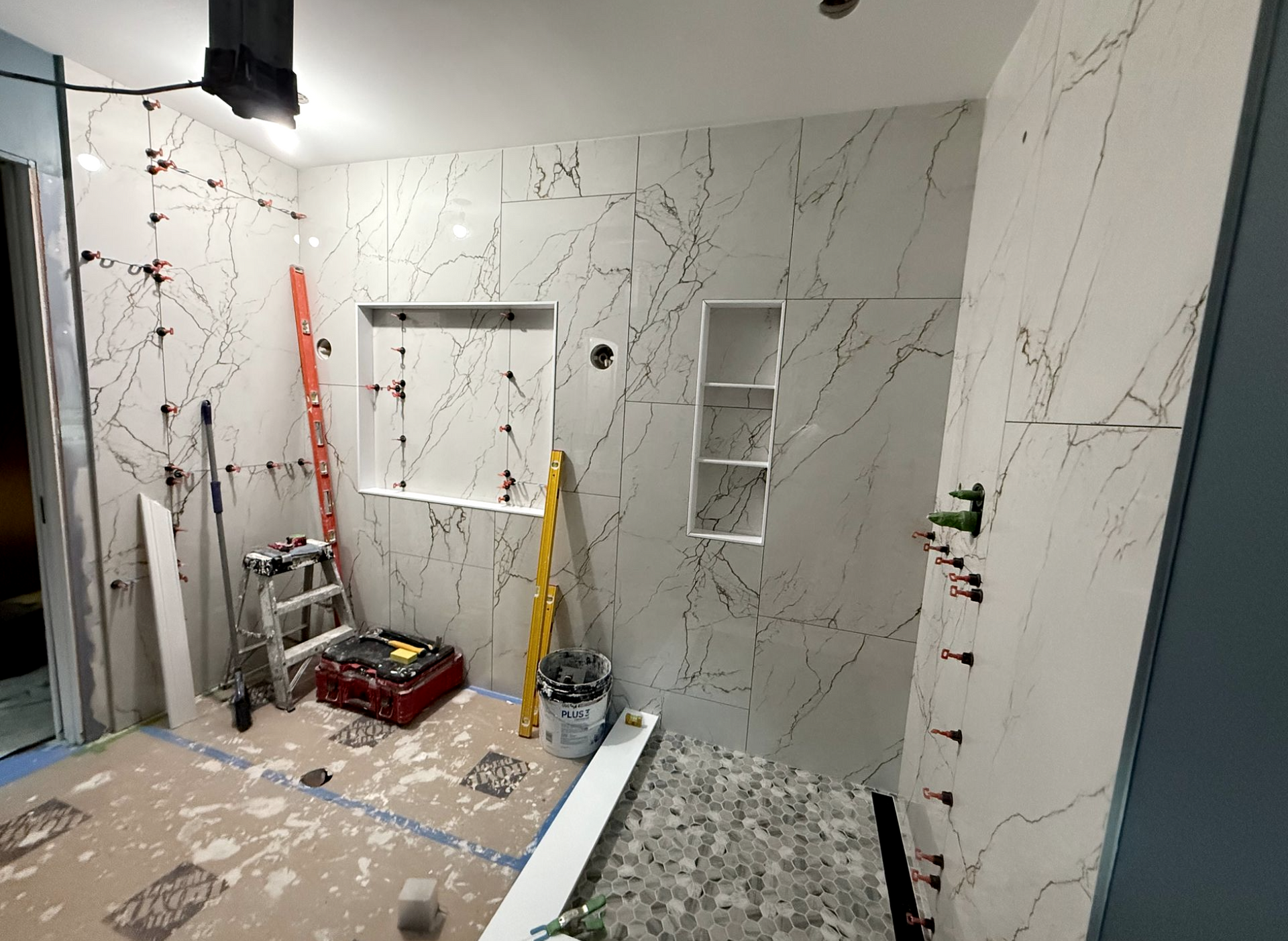
- Ceramic & Porcelain Tile: The traditional choice for bathrooms, with material costs ranging from $2.10 to $31.50 per square foot depending on size, finish, and origin. Installation costs for tile are significantly higher than for LVP due to the intensive labor required. In 2026, large-format tiles (12x24 or bigger) are trending for seamless looks, but add 10–15% to labor.
The "Hidden" Costs
Several necessary expenses are often overlooked in initial budget planning.
- Demolition & Debris Removal: The cost to safely tear out the old bathroom and haul away the debris typically ranges from $1,050 to $2,400.
- Permits & Fees: These are mandatory for most remodels and vary by town. A detailed breakdown is provided in Section 4.
- Design Fees: If a separate interior designer or architect is hired, their fees can range from $52 to $210 per hour. Free 3D designs from contractors like First Choice are a smart way to save here.
The Contingency Fund (15-20%)
This is a non-negotiable line item in any remodel budget, especially for older Connecticut homes. This fund is not for upgrades or design changes; it is reserved for unforeseen problems discovered after demolition begins. Common issues include hidden water damage from old leaks, which can cost $3.90 to $7.35 per square foot to remediate, mold, outdated electrical wiring that needs to be brought up to code, or unexpected structural issues. A 15-20% contingency provides a crucial financial cushion to handle these issues without derailing the project.
The economic climate of 2026 introduces a level of budget volatility that makes careful planning and professional management more critical than ever. A "cost accelerator" effect is at play, where multiple factors converge to drive prices upward. Base material costs are rising due to general inflation. On top of this, specific tariffs on key construction inputs—such as steel for fixtures, copper for plumbing and wiring, and aluminum for shower frames—add another layer of direct cost increase. This is compounded by the persistent labor shortage, which gives skilled tradespeople leverage to command higher wages. This confluence of factors means a project budget is not static; a quote given in early 2026 could see significant cost pressure by the end of the year. This dynamic elevates the importance of the contingency fund and underscores the value of working with an established contractor who has strong supplier relationships and can lock in material prices and labor, mitigating this financial risk for the homeowner.
Section 3: Connecticut-Specific Factors That Affect Your Price in 2026
Several unique aspects of the Connecticut market can significantly influence the final cost of a bathroom remodel. Understanding these local variables is key to accurate budgeting.
- Town-by-Town Variations: Costs can vary notably between towns. For example, in high-cost areas like Greenwich or Westport in Fairfield County, labor and material markups can be 20–30% higher than in more central towns like Plainville or Southington. Permit fees also differ: Hartford might charge $150–$300 for a bathroom remodel permit, while Stamford could be $250–$500.
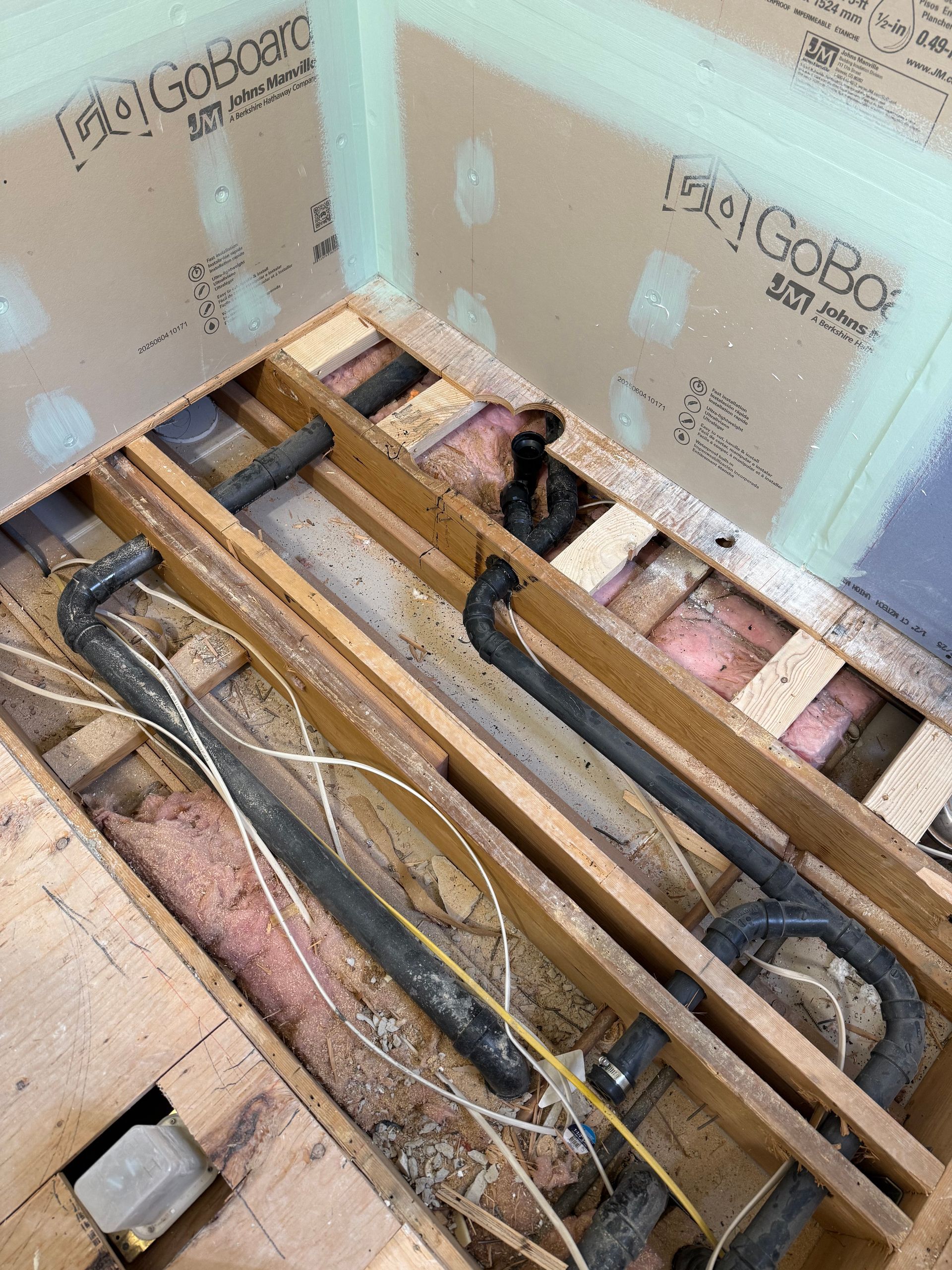
- Older Homes Common in CT: Many Connecticut homes date back to the early 20th century or older, often revealing surprises like outdated knob-and-tube wiring or lead pipes during demolition. Bringing these up to 2026 code can add $2,000–$10,000+.
- Seasonal Demand: Spring and summer (like now in early 2026) see peak demand, potentially increasing labor costs by 5–10%. Booking early with a contractor like First Choice can lock in rates.
- Sustainability Trends: In 2026, CT incentives for energy-efficient remodels (e.g., rebates for low-flow fixtures) can offset costs, but premium green materials add upfront expenses.
Section 4: Navigating the Nuts and Bolts: Permits and Planning in Connecticut
Beyond design and materials, a successful bathroom remodel requires navigating the administrative and regulatory aspects of construction. In Connecticut, this primarily involves securing the necessary building permits, a process that underscores the value of partnering with an experienced local professional.
Why Permits Matter
Securing the proper permits is not just a bureaucratic formality; it is a legal requirement that ensures the work meets current building codes for safety, energy efficiency, and environmental standards. In Connecticut, permits are required for any work that involves structural changes, plumbing, or electrical modifications—which encompasses the vast majority of bathroom remodels. Skipping this step can lead to fines, insurance complications, or even the requirement to undo completed work. Moreover, permitted renovations add verifiable value to your home, as they provide documentation for future buyers.
Permit Costs and Process by Town
Permit fees vary by municipality, but here are updated 2026 examples for common CT towns (based on local building dept. data):
Plainville $150–$350 Fast processing (1–2 weeks); electrical/plumbing separate.
Southington $200–$400 Requires detailed plans; inspections at key stages.
Bristol $175–$375 Energy code compliance check included.
Hartford $250–$500 Higher for historic districts; online submission available.
Stamford $300–$600 Strict on luxury features like steam showers.
The process typically involves submitting detailed plans, paying the fee (often 1–2% of project value), and scheduling inspections. A good contractor handles this for you.
Section 5: Your 2026 Bathroom Remodel Toolkit
FAQs
- How long does it take? Facelift: 7–14 days | Mid-range: 18–40 days | Luxury: 4–8 weeks (delays possible due to 2026 supply issues).
- What’s the ROI in CT right now? Mid-range remodels recoup 70–80% on resale (up from 2025 due to high demand in suburbs like Southington).
- Should I do it myself? Rarely worth it in CT — pros save time, avoid code violations, and qualify for warranties.
- How to save in 2026? Bundle with kitchen updates for volume discounts; use mid-grade materials like quartz over marble.
Downloadable 2026 Budget & Planning Checklist (link to your PDF: Include sections on scope, vendor quotes, contingency planning).
Final Section: Ready to Move Forward in 2026?
Don’t overpay or get stuck with sticker shock. At First Choice Bathroom Remodeling, our family-owned, in-house team delivers superior quality without subcontractors.
Right now through April 30, 2026, lock in our Spring Offers:
- $1,500 OFF Full Bathroom Remodel
- $1,000 OFF Tub-to-Shower Conversion
- $200 OFF Glass Shower Door Installation
- $1,500 OFF Jacuzzi Bath Remodel
Book your FREE in-home estimate today and start your dream bathroom.
Call or text (860) 560-1028
Family-owned • In-house team • No subcontractors • 5-star work guaranteed